
5 ways behavioral economics can help promote safe driving
August 14, 2024




This past year has created a lot of challenges for researchers across the United States. At CHIBE, we are fortunate to have a research community that is not only innovative and creative but also deeply resilient. Despite the obstacles, our teams have continued to make meaningful progress toward a healthier world using behavioral economics and thinking critically about how to most effectively use incentives. This year, we’re proud to share several highlights:
We recognize that our strength lies not only in our scientific impact but in our shared commitment with scientists around the country to continue to collaborate on potentially significant innovations. Here at the University of Pennsylvania, we have a strong home base, and CHIBE continues to be a strong and supportive hub for this important work.
As we look ahead, we do so with a deep sense of gratitude for our colleagues, our funders, and our strong collaborators with renewed determination to continue to conduct research that can improve the health of populations worldwide.
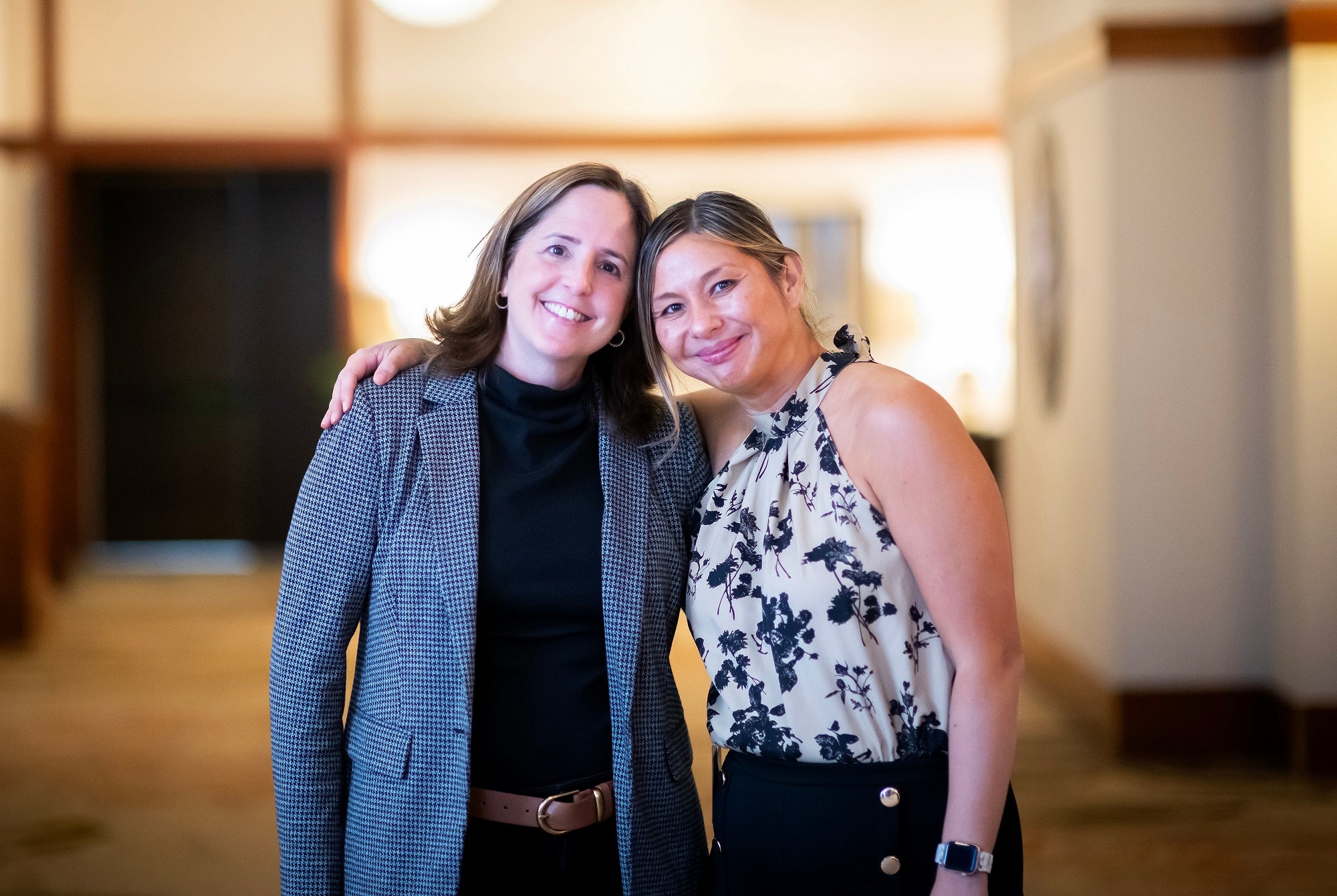
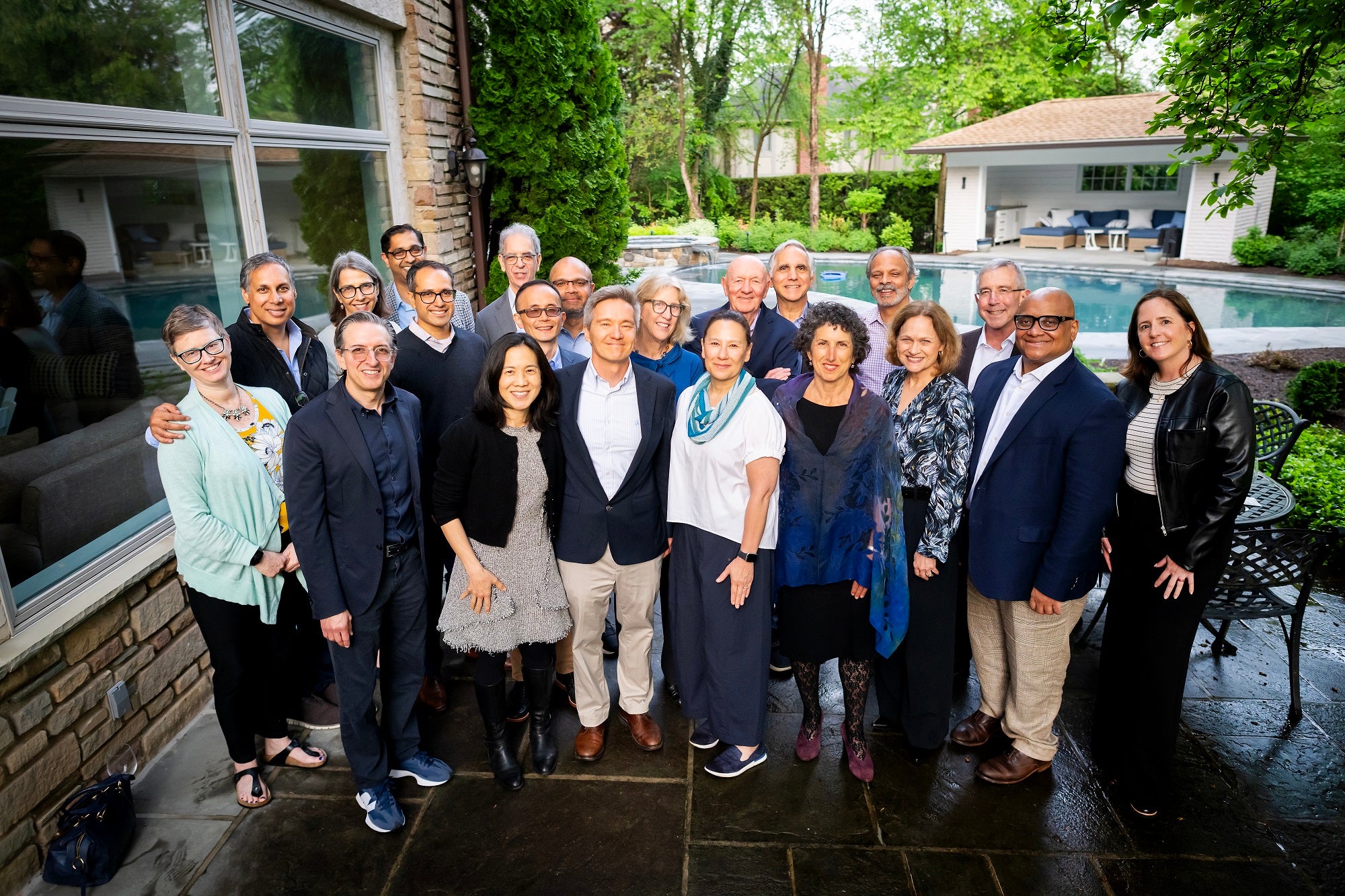
We extend our thanks to Hoag Levins (Editor of Digital Publications, LDI) and Eric Sucar for their photos contained in this report.
Kevin Volpp, MD, PhD
Director, CHIBE
Mark V. Pauly President’s Distinguished Professor
Perelman School of Medicine and the Wharton School
University of Pennsylvania




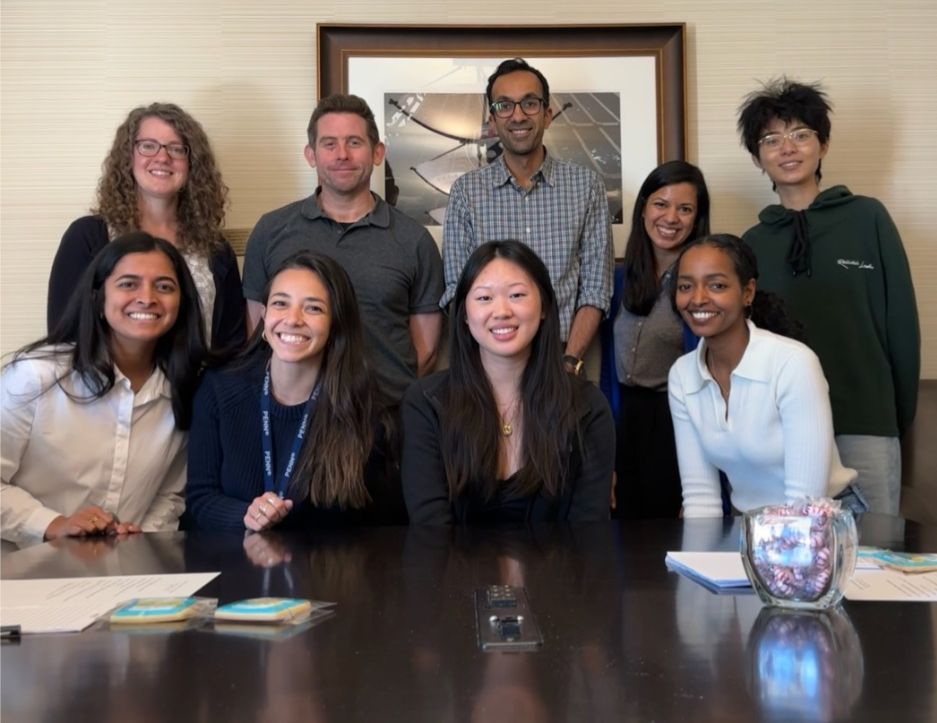
Our faculty include affiliates primarily from the University of Pennsylvania but also from universities across the country who work in a number of fields, including medicine, business, economics, psychology, law, nursing, communication, and computer science.
CHIBE-authored publications in 2024
Media mentions of our faculty
H-index for CHIBE-authored articles
“The best advice I have for applying behavioral insights at an organization or system level is to start with the problem, the experience, and the people navigating it every day. The behavioral nudge should come last.” – Elizabeth Linos. Read more.
“CHIBE’s David Asch writes: “I think these studies mostly show that people are willing to believe many things they should not believe, and will not believe many things they should. That is being observed a lot, too, and we need to find a treatment for it.” Read more.
Learn about some of our important discoveries this year.

“We conducted a field experiment to examine how generative AI tools affect learning in K-12 education.”

“We are working on a program where we leverage AI to dynamically adapt (meaning change in real-time) behavioral strategies to motivate increased physical activity, which will help us learn the right interventions, for the right people, at the right time.”

“For our project, we developed an experimental online fast food ordering app to pilot a study evaluating how healthy food policies influence restaurant orders.”

“We conducted a study using customized virtual storefronts and loss-framed incentives to test the feasibility and engagement of a healthy food prescription program.”

“We examined how physical and occupational therapists decide where stroke patients go for rehabilitation after leaving the hospital – looking at potential biases and disparities in those decisions – in an effort to improve post-stroke care.”

“Jose Arellano, Silvia Saccardo, and I studied how messages about how other people behave can influence parents’ decisions about vaccines. We found that messages worked better when they were believable—specifically, parents were more persuaded by hearing that doctors vaccinate their own kids than by hearing that other parents do, likely because they trusted that information more.”

“We used community insights to finalize 9 behaviorally-informed messages encouraging people at high risk of HIV to re-test in preparation for our 40,000-person megatrial in Kenya and Uganda.”

“We’ve created a tool to help patients with acute pain make informed treatment choices in primary care. It helps doctors and patients by: • Letting doctors narrow the treatment options to what’s right for each patient • Helping patients compare the pros and cons of those options • Guiding patients to choose the option that best fits their values and preferences.”
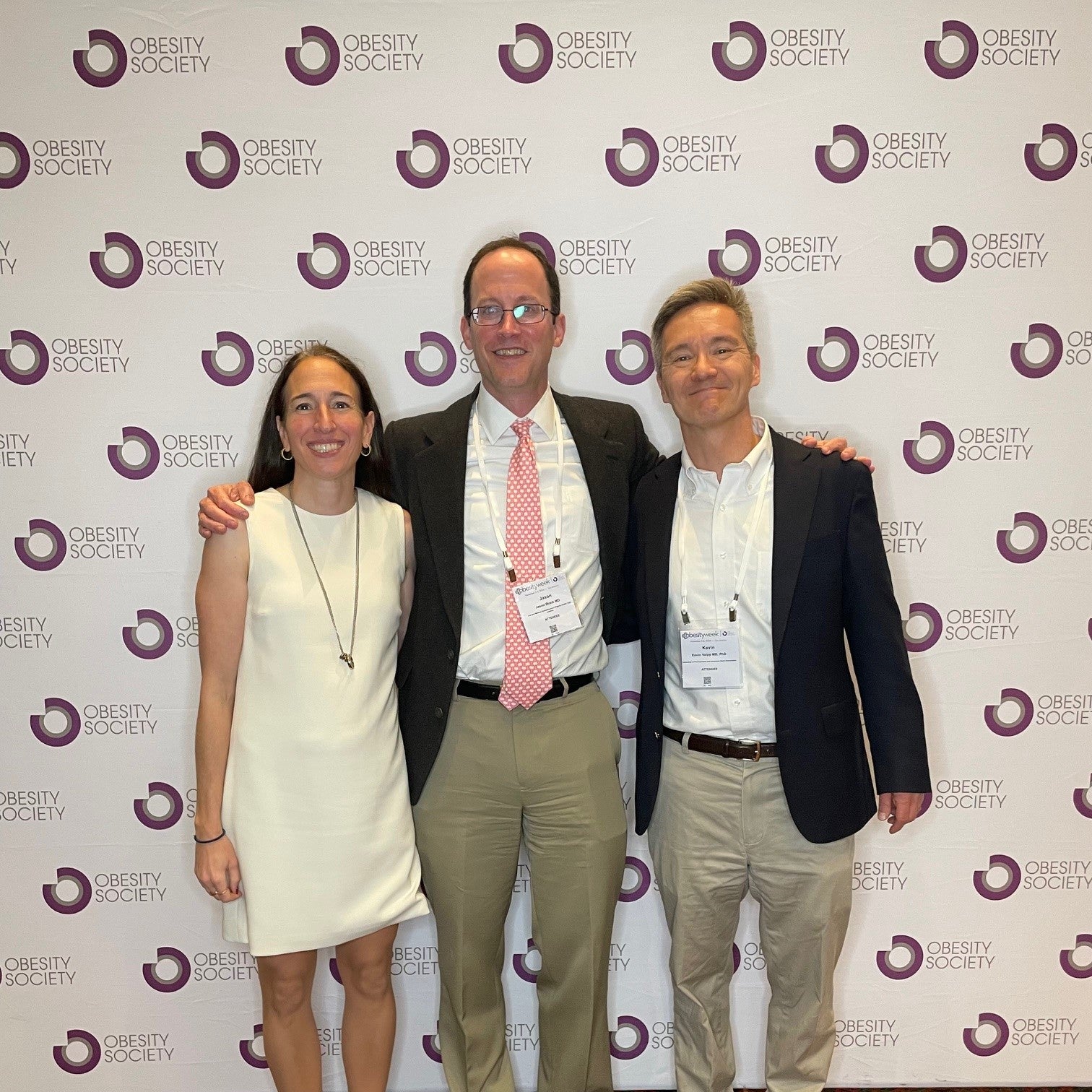

CHIBE’s research makes a direct impact in contributing to improving health. This year, our faculty helped improve driver safety, made it easier for patients to take their statin medication, and helped play a part in the passage of a sugary beverage tax in California.

Our researchers found ways to motivate drivers to use their seatbelt more (up to 26%) and their cell phones less (up to 28%). Auto insurers could use these techniques to reduce distracted driving, prevent injuries, and save lives.

Our research on sugary beverage taxes played a part in the city of Santa Cruz passing a sugary beverage tax. A coalition of advocates supporting the tax needed data on the health impacts of these taxes. Drs. Alyssa Moran, Jim Krieger, and Christina Roberto prepared a policy brief, providing evidence-based information they needed to make the case for the tax.

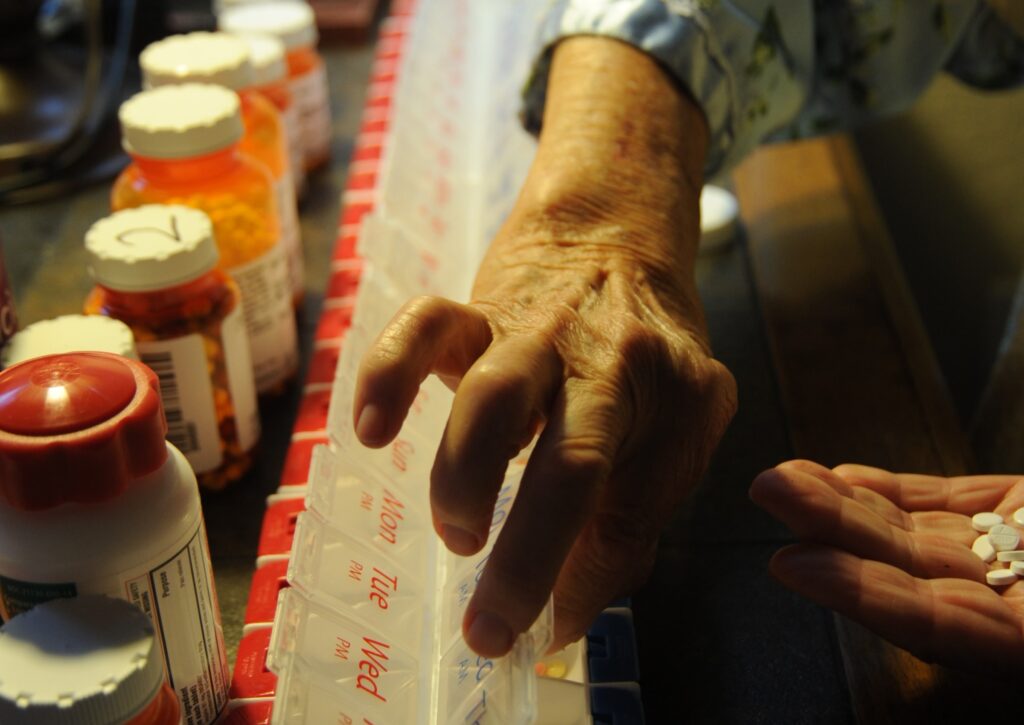
After switching the default for statin prescribing in the electronic health record to a 90-day supply with 3 refills (unless the clinician opted out), the proportion of prescriptions written for a 90-day supply increased from 71% to 92% following the intervention. A bonus: Racial and socioeconomic disparities in prescription length were reduced as well.
CHIBE hosted several research seminars with the leading minds in behavioral economics, health, and policy. See our Research Seminar Series lineup from the past year here. We heard from Drs. Supreet Kaur, Devin Pope, Gautam Rao, Manasvini Singh, Rachel Gershon, Justin Sydnor, Nicholas Christakis, Raj Chetty, Hengchen Dai, and more. Each year, we also host a team retreat and an invitational symposium to share the latest research and create new connections.


Our faculty lead many initiatives in areas such as food policy, global health, health equity, technology infrastructure, health care payment policy, and more. Learn about our faculty members’ expertise and research interests below.

Learn more about the Population Health Lab, part of CHIBE’s Family of Programs. The lab evaluates and implements evidence-based interventions to improve health outcomes at scale.
CHIBE wishes to congratulate the following faculty and staff for their impressive achievements. These awards showcase CHIBE’s culture of innovation and excellence.
Claire M. Fagin Distinguished Researcher Award
University of Pennsylvania School of Nursing

Top 20 Clinical Research Achievement Award for this paper*
Clinical Research Forum

Pennsylvania Impact Award
City and State
Elected to American Society for Clinical Investigation

Top 20 Clinical Research Achievement Award for this paper**
Clinical Research Forum
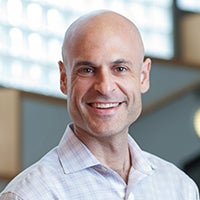
Elected to National Academy of Medicine

Marjorie A. Bowman New Investigator Research Award
Penn Medicine

Models of Excellence
University of Pennsylvania
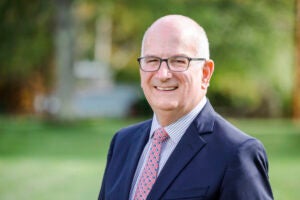
Named to Power 100 list
City & State Pennsylvania
Named one of 150 most influential Philadelphians
Philadelphia Magazine
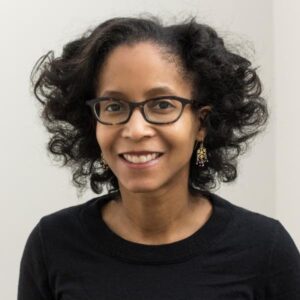
Arthur K. Asbury Outstanding Faculty Mentor Award
Penn Medicine
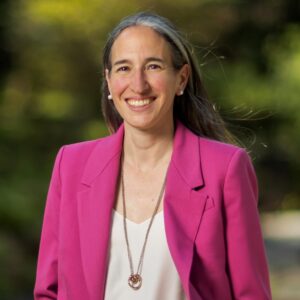
Named a Fellow of the Academy of Behavioral Medicine Research
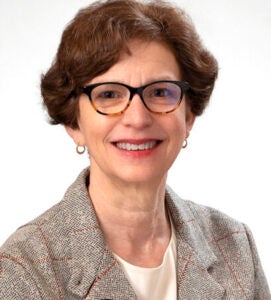
Samuel Martin Health Evaluation Sciences Research Award
Penn Medicine
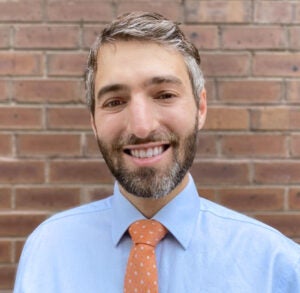
Alice S. Hersh Emerging Leader Award
AcademyHealth

Elected to National Academy of Medicine

Edward S. Cooper Award
American Heart Association
* Full author list: Katherine R. Courtright, MD, MS; Vanessa Madden, BSc; Brian Bayes, MS, MBMI; Marzana Chowdhury, PhD; Casey Whitman, MS; Dylan S. Small, PhD; Michael O. Harhay, PhD; Suzanne Parra, RN; Elizabeth Cooney-Zingman, MPH; Mary Ersek, RN, PhD; Gabriel J. Escobar, MD; Sarah H. Hill, PhD; Scott D. Halpern, MD, PhD
** Full author list: Jeffrey P. Ebert, PhD; Ruiying A. Xiong, MS; Neda Khan, MBA, MHCI; Dina Abdel-Rahman, Aaron Leitner, MSHI; William C. Everett, Kristen L. Gaba, William J. Fisher, MS; Catherine C. McDonald, PhD, RN, FAAN; Flaura K. Winston, MD, PhD; Roy M. Rosin, MBA; Kevin G. Volpp, MD, PhD; Ian J. Barnett, PhD; Douglas J. Wiebe, PhD; Scott D. Halpern, MD, PhD; and M. Kit Delgado, MD, MS
*** Full author list: Alexander C. Fanaroff, MD, MHS, Mitesh S. Patel, MD, MBA, Neel Chokshi, MD, MBA, Samantha Coratti, BA, David Farraday, BA, Laurie Norton, MA, MBE, Charles Rareshide, MA, Jingsan Zhu, MS, MBA, Tamar Klaiman, PhD, Julia E. Szymczak, PhD, Louise B. Russell, PhD, Dylan S. Small, PhD, and Kevin G.M. Volpp, MD, PhD


CHIBE is the leading scientific organization using behavioral economics to improve health.
Drawing on the expertise of faculty from across the University of Pennsylvania and beyond, CHIBE conducts behavioral economics research aimed at reducing the burden of disease from major health challenges, such as smoking, obesity, unhealthy diets, and medication non-adherence. CHIBE also works to increase the value of resources expended on health care to more efficiently improve health.
Since 2008, our faculty have produced research and scientific evidence, supported policymakers and leaders of programs with evidence to inform decision-making, and generated program and policy options. To maximize our impact, our work transcends partisan political boundaries.



We work with a variety of health systems, health plans, public service organizations, and NGOs. See just a few of our partners below.








CHIBE receives project-specific funding from foundation, corporate, and federal sponsors.
Diversification of our portfolio has been a strategic priority over the past several years, and we have been successful in securing funding from several commercial entities and foundations.
In addition, CHIBE receives support from the University of Pennsylvania Health System and the Perelman School of Medicine that has enabled us to make strategic investments, strengthen our infrastructure, and support junior faculty and trainees.
We thank all our funders for their support of our initiatives.

~$49M
Total Grant Activity in Fiscal Year 2025
Follow us on Twitter @PennCHIBE, on BlueSky, and on LinkedIn. Sign up for our monthly Healthy Nudge newsletter, which keeps you up to speed on the latest developments in policy-relevant health behavioral economics research at CHIBE.
 University of Pennsylvania